
Why Fence Replacement Matters ?
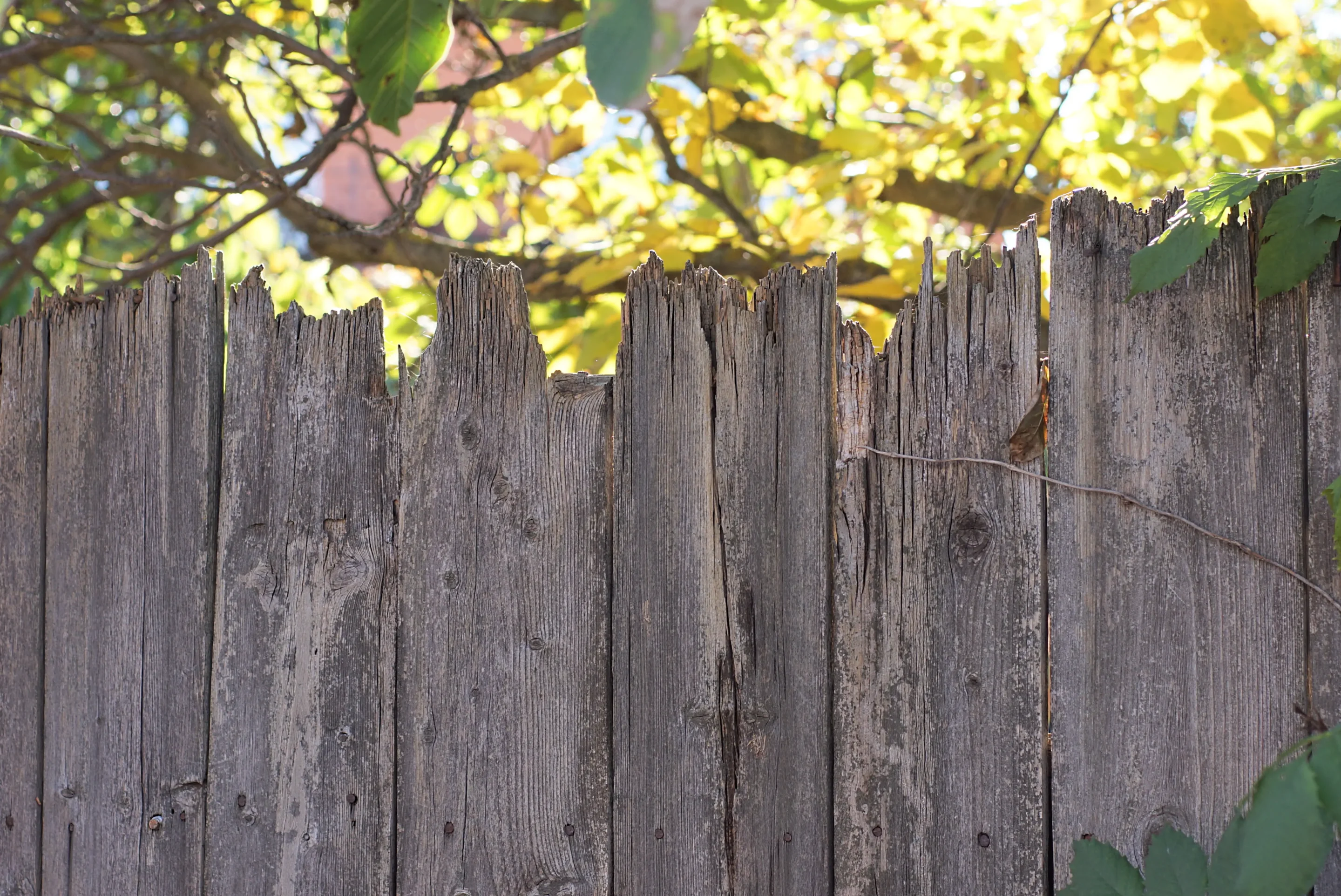
A reliable fence does more than mark a boundary. It keeps children and pets safely in the yard and adds to how your property looks from the street. Over time, though, even a well-built fence with the wrong materials begins to show its age. Weather and ground movement wear it down over the years, and the damage often appears gradually rather than all at once.
Recognizing the signs you need a new fence early can save you from larger structural problems and the cost of ongoing repairs. For most homeowners, the real question is knowing when to replace a fence rather than continuing to patch one that is past its prime.
Discover the five most common signs you need a new fence, along with what to look for when choosing a stronger, longer-lasting solution.
In this guide:
Sign #1: Leaning or Shifting Fence Posts
Sign #2: Rust or Structural Damage
Sign #3: Frequent Repairs and Maintenance
Sign #4: Outdated or Weak Materials
Sign #5: Reduced Safety for Children or Pets
Choosing a Fence Built to Last
Why Homeowners Choose Peel Fence
Upgrade to a Fence Built for the Long Term
Sign #1: Leaning or Shifting Fence Posts
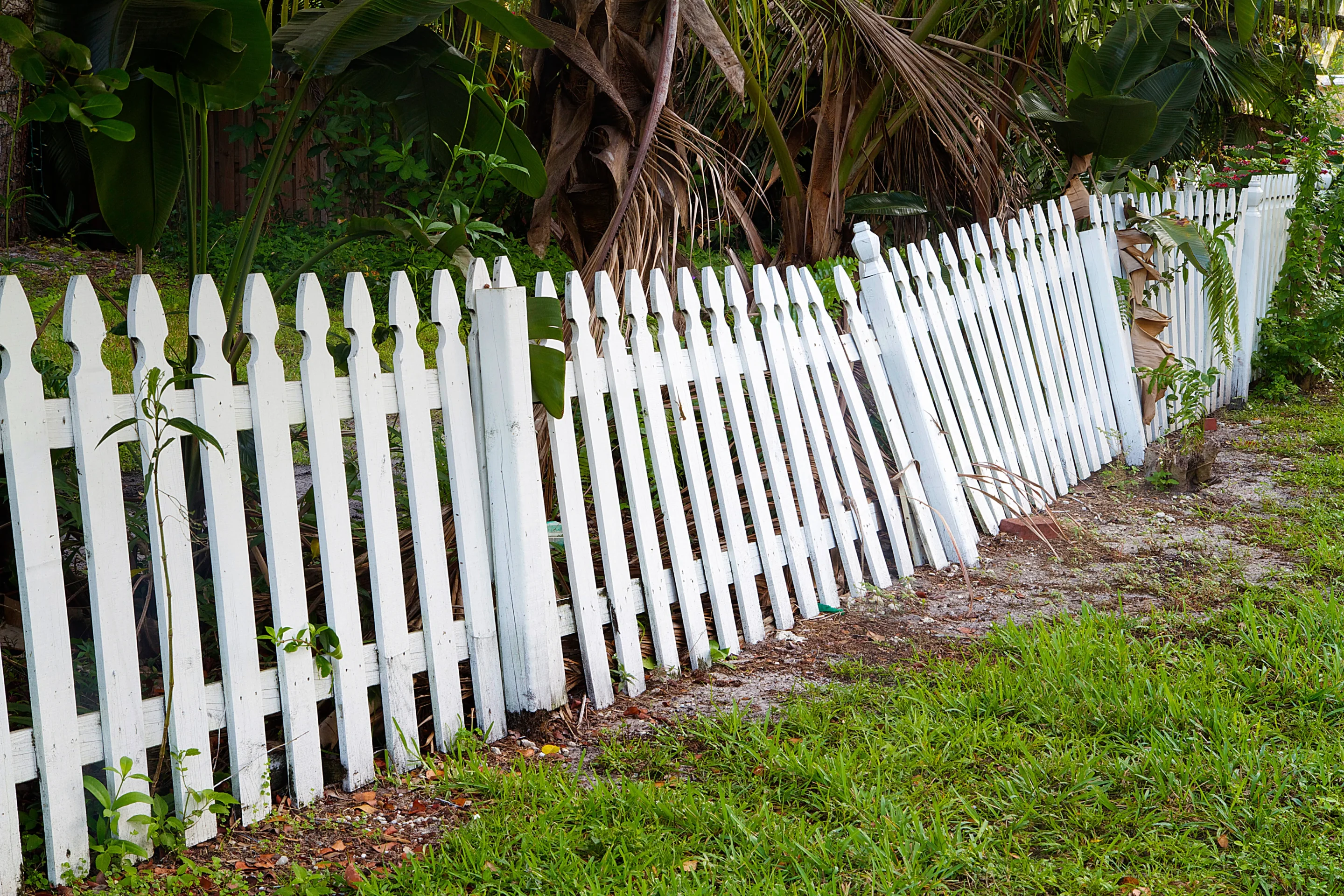
A fence is only as stable as the posts that hold it up. When sections begin to lean or shift, the posts are almost always the cause, usually because they were not set deep enough during the original installation.
Ontario winters make the problem worse. As moisture in the ground freezes and expands, it lifts shallow posts a little more each season. This process, known as frost heave, can turn a straight fence line into a noticeable wave within a few years.
Pushing a leaning post back into place rarely solves anything, because the footing itself is already compromised. A fence installed with a hydraulic post driver sits below the frost line and stays put, which is why a professional installation lasts far longer than a DIY job.
Sign #2: Rust or Structural Damage
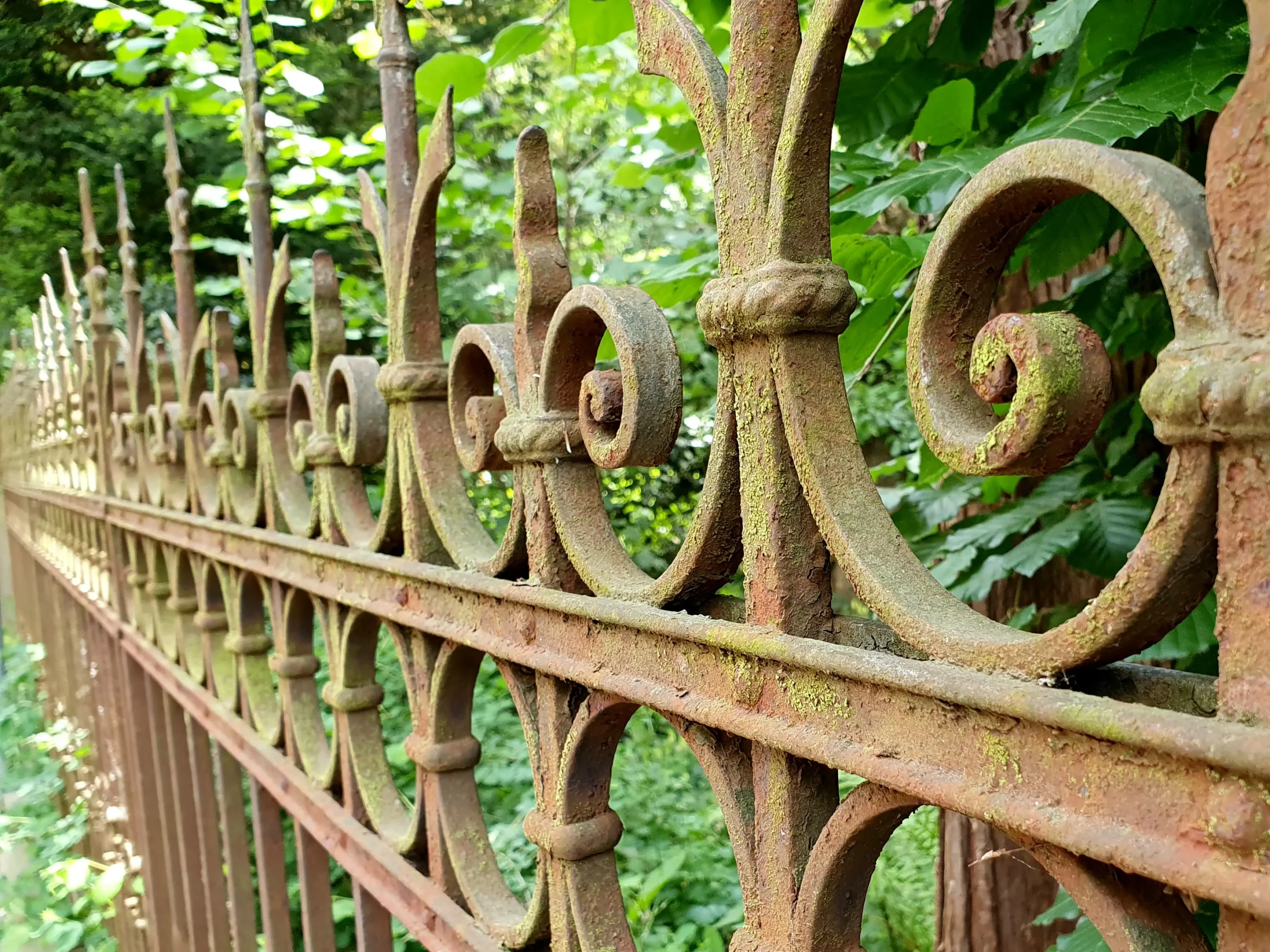
Metal fencing rarely fails all at once. It deteriorates gradually as rain, snow, and humidity work on the finish, allowing rust to set in and eat into the steel beneath.
Light surface rust can sometimes be treated. Bent rails, cracked welds, or a post rusted through at the base are another matter, since the fence has lost the structural strength it was built for. At that stage, refinishing only hides the problem.
This is where modern materials make a real difference. Vinyl-coated chain link and powder-finished iron are sealed against moisture, so they resist the corrosion that wears down older, bare metal fencing.
Sign #3: Frequent Repairs and Maintenance
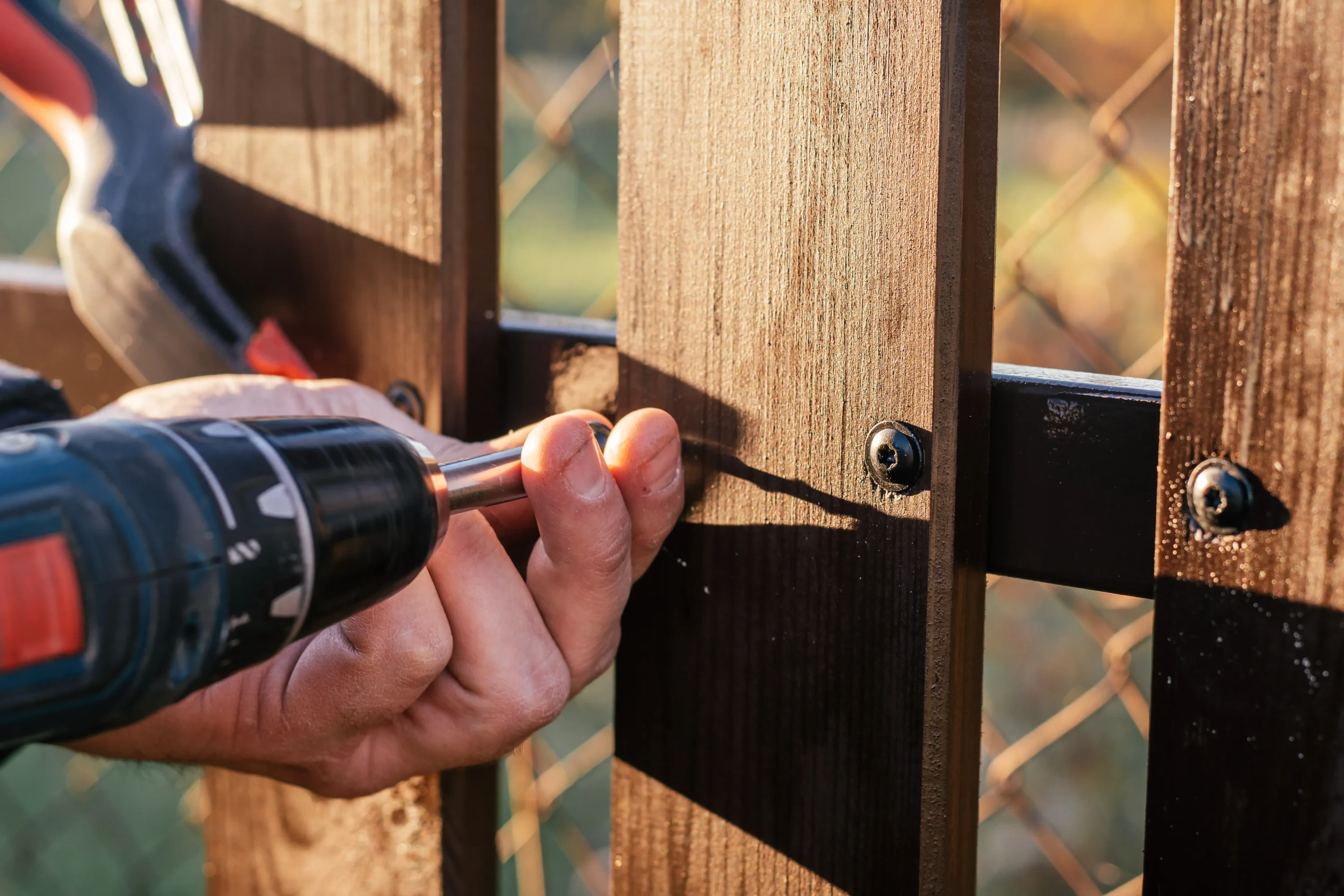
A single repair is normal maintenance. Repairing the same fence season after season points to something larger. When you find yourself resetting posts, replacing boards, and fixing gate hardware year after year, those costs add up quickly.
In many cases, several seasons of repairs end up costing more than a new fence would have, and you are still left with an aging structure. Once repairs become routine, replacement is usually the smarter long-term decision. Modern fencing materials are built to perform for years with very little upkeep.
If the damage is isolated and the structure is still sound, our fence repair and maintenance services can extend the life of your existing fence before a full replacement becomes necessary.
Sign #4: Outdated or Weak Materials
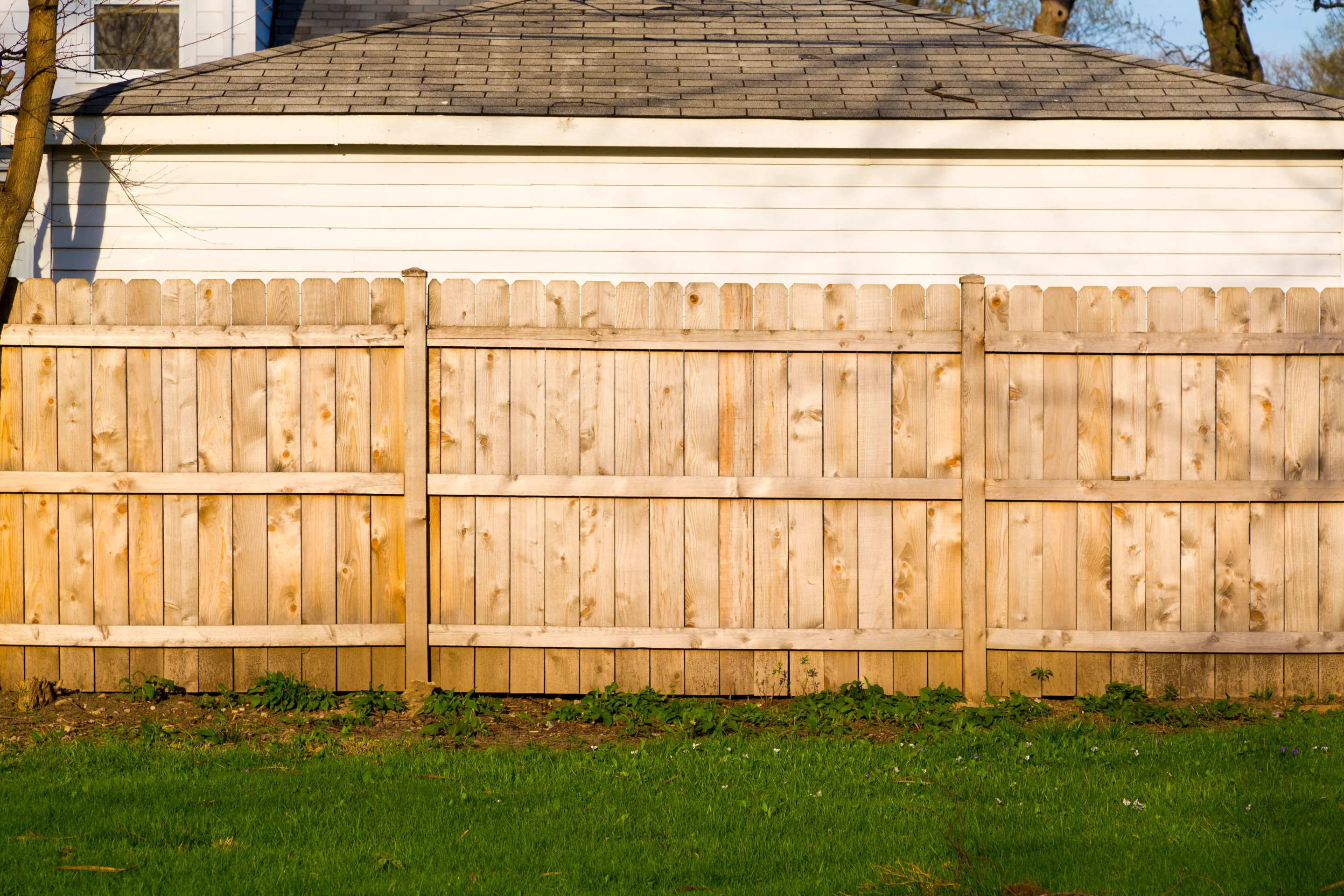
Older fences were built to the standards of their time, often with thinner-gauge wire, untreated wood, or lightweight hardware that no longer holds up. These materials offer less security and durability than the fencing systems available today.
You tend to notice the difference on the first windy night, or the first time a section gives way under pressure. If your fence predates modern materials, replacing it is an upgrade in both strength and weather resistance, giving you a boundary that holds firm through Ontario’s seasons.
Sign #5: Reduced Safety for Children or Pets
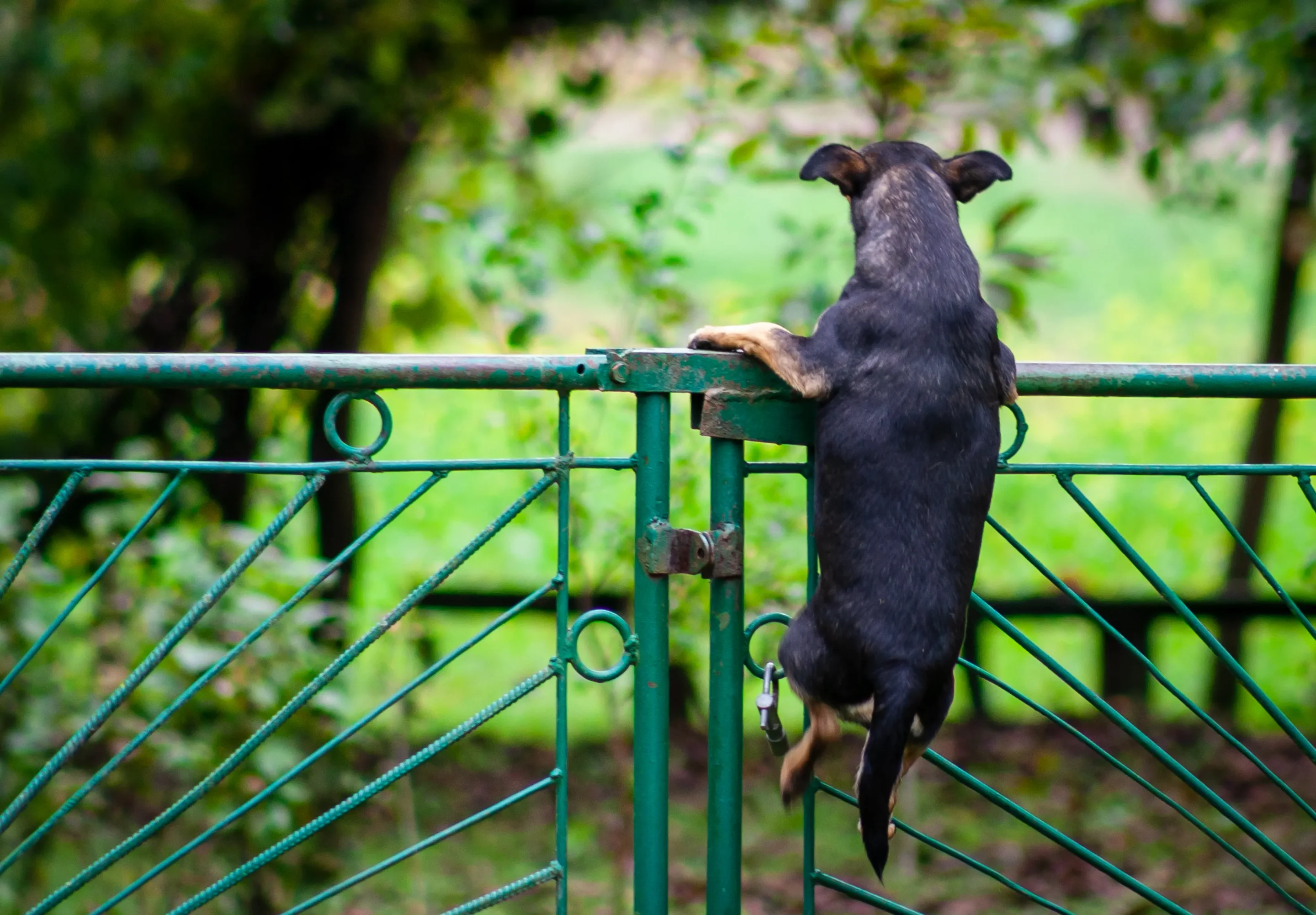
This is the one that matters most. A gap at the bottom, a loose panel, a gate that drifts open on its own. That’s all a dog or a determined three-year-old needs to get to the road.
If you have started keeping children or pets inside because you no longer trust the fence, the fence has already failed. A new one restores that security and gives you back a yard you can rely on.
Choosing a Fence Built to Last
When you replace a fence, the goal is to install something you will not have to think about for decades. Two materials consistently deliver that kind of reliability.
Chain link fencing is the practical, affordable choice. It stands up to weather, requires almost no maintenance, and performs dependably year after year. Black vinyl-coated chain link adds a clean, low-profile look that blends into landscaping rather than dominating the yard.
Iron fencing is the step up in both strength and curb appeal. It brings a more finished, residential look to the property line while keeping clear sightlines across the yard.
Both options are built to withstand Canadian winters, which is the real test for a fence in this climate.
If you are weighing styles before you commit, our modern fence design ideas show how chain link and iron fit into today’s residential yards.
Why Homeowners Choose Peel Fence
A fence that lasts decades depends on more than the material you choose. The quality of the installation, from post depth to alignment and hardware, determines whether the fence stays straight and secure through every season.
With over 50 years of experience across Ontario, Peel Fence builds fences designed to perform reliably for the long term.
What sets Peel Fence apart:
- Over 50 years of fencing experience across Ontario
- Hydraulic post installation that prevents shifting and leaning over time
- Maintenance-free materials chosen for long-term performance
- Experienced crews who handle every installation with careful detail
To explore your options, see our full range of residential fencing services.
Upgrade to a Fence Built for the Long Term
A failing fence quietly costs you the things you put it up for: a safe yard and a secure property line. Replacing it buys both back.
With expert installation and durable, maintenance-free materials, Peel Fence builds fences designed to last for decades. If you have noticed any of the signs above, it is worth understanding when to replace a fence rather than waiting for it to fail completely.
Call us today for a free estimate on your backyard fence replacement.
Fence Replacement FAQs
1. How long does a typical fence last?
A properly installed chain link or iron fence can last 20 to 40 years with very little maintenance. Wood fences usually require significant work within 10 to 15 years. In most cases, post depth and installation quality matter more than the material itself.
2. When should I repair versus replace my fence?
Repair makes sense for a single damaged panel on a fence that is otherwise sound. Replacement is the better choice when posts are leaning, the metal has rusted through, or repairs have become a yearly routine. These are clear signs the fence is failing as a whole rather than in one spot. For a sense of what a new fence runs, see our breakdown of backyard fence costs in Ontario.
3. What type of fence lasts the longest?
Metal fencing generally outlasts wood. Vinyl-coated chain link and finished iron resist the rust, rot, and warping that shorten the lifespan of wood fences.
4. Can Peel Fence remove and replace an existing fence?
Yes. We remove and dispose of your old fence and install the new one, so the entire replacement is handled from start to finish by a single experienced crew.