
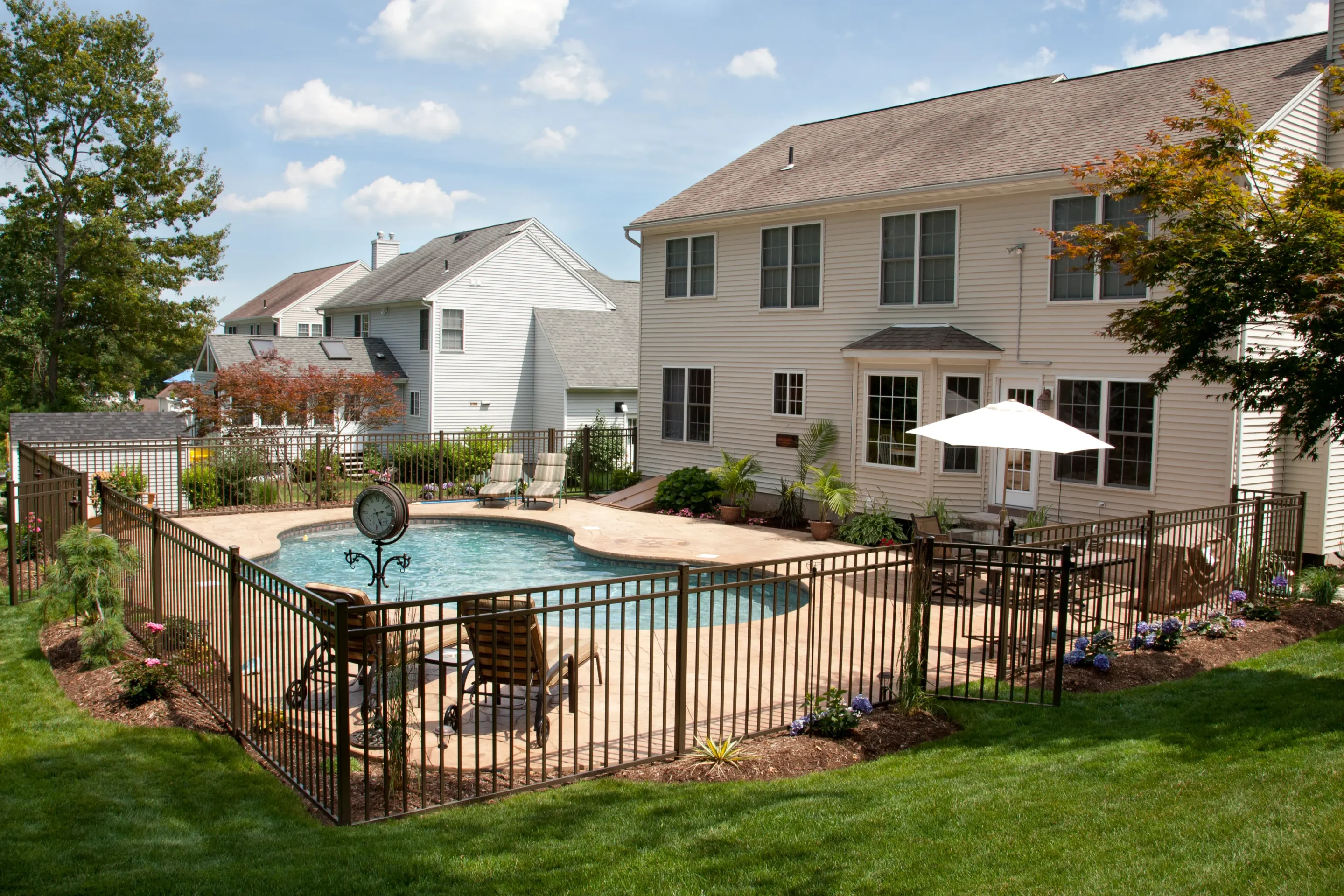
Why Pool Fencing Matters for Ontario Homeowners?
A backyard pool is one of the best parts of summer in Ontario, but it also comes with real safety responsibilities for the homeowner .A pool safety fence protects children, pets, and guests from unsupervised access while helping homeowners meet the Ontario pool bylaws that govern pool installations across the province.
Choosing the right fence around your swimming pool depends on the layout of your yard, the type of pool you have, and the requirements set by your municipality.
This guide walks through what’s required across Ontario, how the rules can differ from one town to the next, and the fencing options that make the most sense for backyard pool enclosures.
For a broader look at protecting children in your outdoor space, see our guide on creating a safe backyard for kids.
In this guide:
Why Pool Fencing Matters for Ontario Homeowners
Understanding Ontario’s Pool Fence Requirements
Key Pool Fence Rules Every Homeowner Should Know
Choosing the Right Fence for Your Pool Enclosure
The Importance of Proper Pool Fence Installation
Why Homeowners Trust Peel Fence for Pool Enclosures
Protect Your Family With the Right Pool Fence
Understanding Ontario’s Pool Fence Requirements
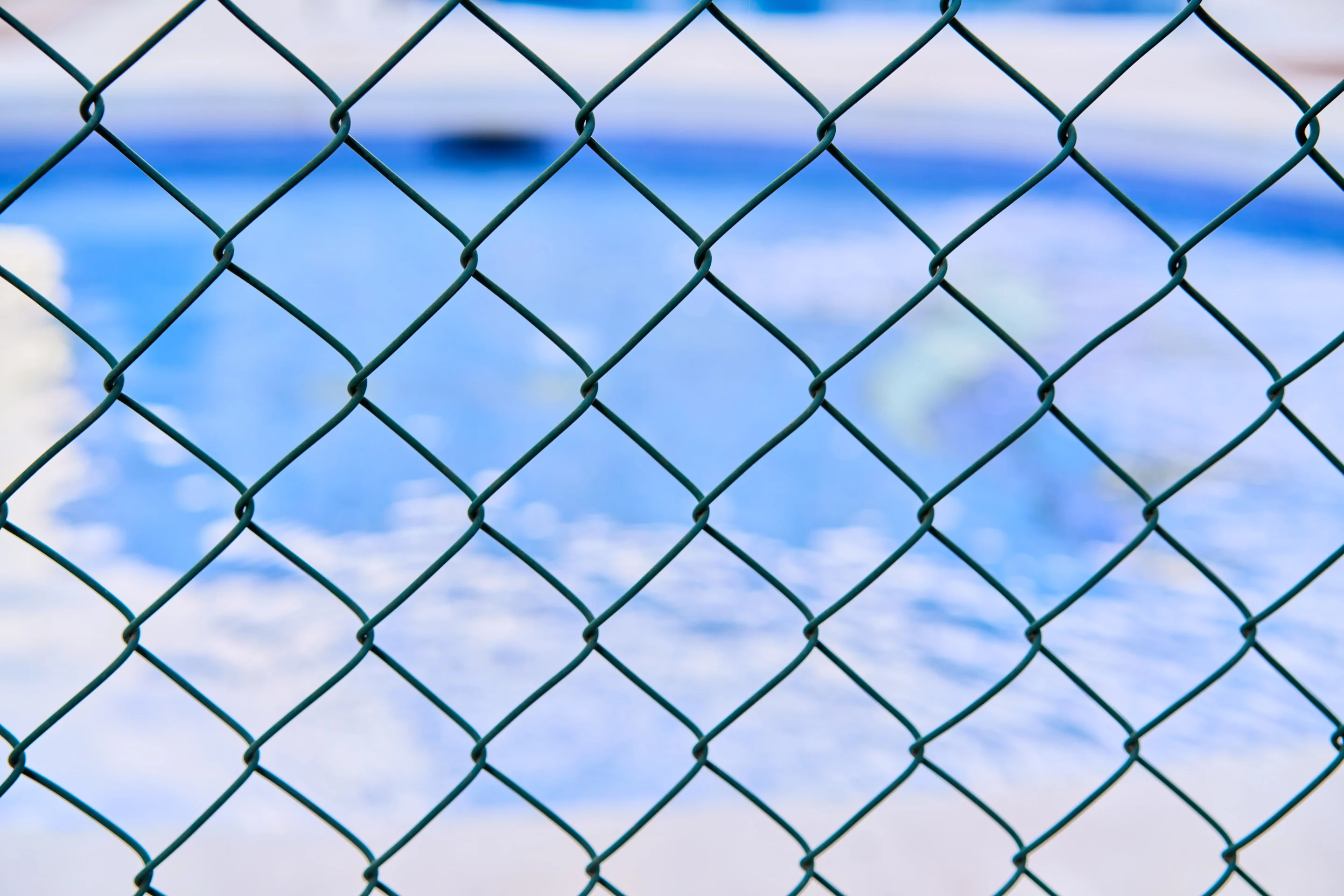
Pool fence rules in Ontario are not set by the provincial Building Code. Each municipality is responsible for its own pool enclosure bylaw, which is why Ontario pool bylaws can vary from one town to the next. For property-line fences and shared installations, the broader Ontario fence laws and cost-sharing rules also apply.
What stays consistent is the underlying purpose. Every Ontario municipality requires homeowners to install a fence around a swimming pool that holds more than 0.6 metres of water, including in-ground pools, above-ground pools, and in many cases, hot tubs and landscaped ponds. A pool enclosure permit is generally required before water can be added to the pool, and the fence must be in place and inspected first.
| Local requirements can shift slightly between municipalities, so confirm the exact rules before you build. Most Ontario municipalities post their Pool Enclosure Bylaw under the Building Permits or Bylaws section of their website. You can also call your local Building Department directly, or visit ServiceOntario’s municipal directory to locate the right office for your town. |
Key Pool Fence Rules Every Homeowner Should Know
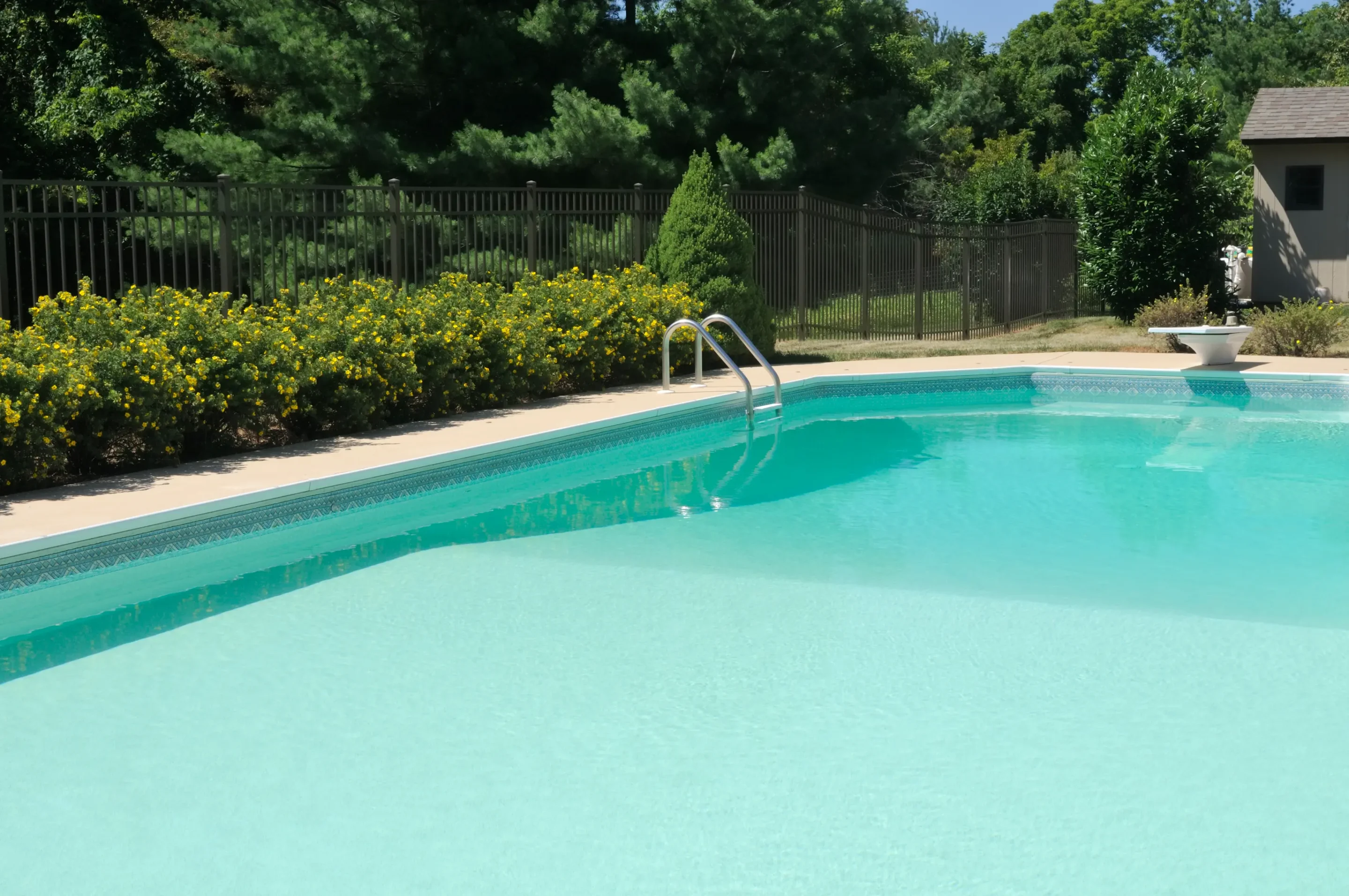
While the specifics vary by municipality, there are several core requirements that appear in most Ontario pool bylaws. Understanding these makes it easier to plan a fence that will pass inspection on the first try.
Minimum Fence Height
Most municipalities require pool fences to be at least 1.2 metres (4 feet) tall. Some municipalities apply stricter requirements for multiple-residential or non-residential properties. Height is measured from the outside grade, so any slope away from the pool needs to be factored into the fence design.
Self-Closing, Self-Latching Gates
Pool gates must close on their own and latch automatically without any manual help. The latch is typically mounted on the pool side of the gate, around 1.22 to 1.35 metres above the ground depending on the town, so children cannot reach it from outside the enclosure. A gate that closes but does not latch securely will fail inspection.
Secure Enclosure Around the Pool
Pool gates must close on their own and latch automatically without any manual help. Bylaws typically require the latch to be mounted high enough that small children cannot reach it from outside the enclosure. Toronto, for example, requires the latch to be at least 1.5 metres above grade when installed on the outside of the gate. A gate that closes but does not latch securely will fail inspection.
See our guide to fences for dogs in Ontario for more on keeping pets safely contained across the entire yard.
Anti-Climb Design
Pool fences must be designed without footholds, climbable rails, or features that could help a child get over the enclosure. Ontario pool bylaws typically limit vertical picket spacing to no more than 38 millimetres (1.5 inches) when horizontal rails are closely spaced, or 100 millimetres (4 inches) when rails are at least 1.2 metres apart. Chain link enclosures often have additional opening-size limits, with a 38 millimetre maximum mesh size being common.
Ground Clearance
The space between the bottom of the fence and the ground is typically limited to about two inches (50 millimetres), with some bylaws allowing up to four inches (100 millimetres) under gates when there’s a hard surface beneath. This prevents small children and pets from crawling under the enclosure and keeps the pool area fully secured. On sloped or uneven yards, the bottom of the fence may need to step down in sections to maintain this clearance along the entire run.
Choosing the Right Fence for YourPool Enclosure
The right pool safety fence does more than meet the bylaw. It also blends into the yard, supports clear sightlines for supervision, and stands up to Ontario’s seasonal weather without losing its appearance or strength.
Chain Link Fencing for Pool Safety
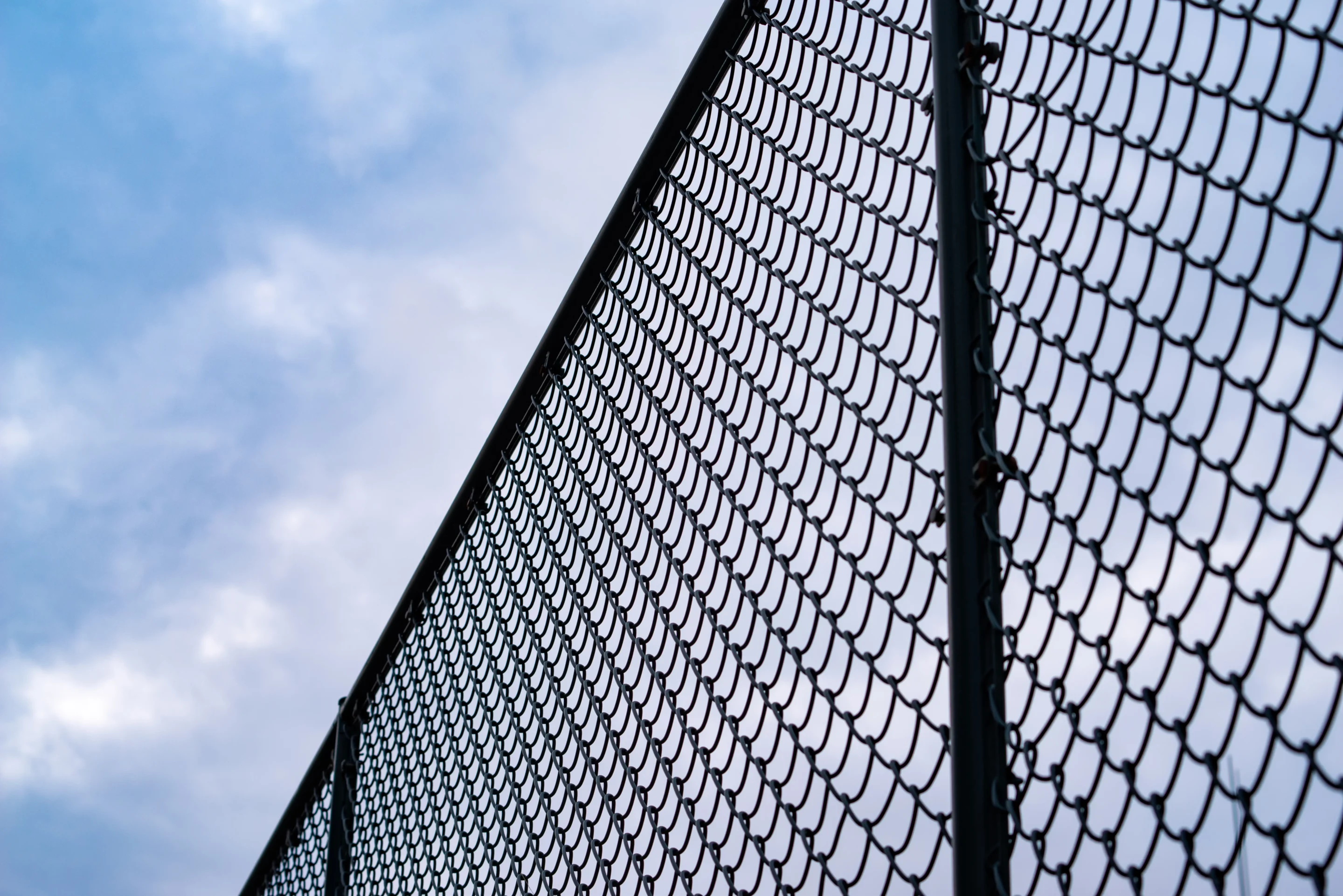
Chain link fencing is one of the most practical options for a pool safety fence. The open design provides clear visibility into the pool area, which helps parents supervise children at all times, while the mesh sizes available in vinyl-coated chain link meet the anti-climb requirements set by most Ontario pool bylaws.
Black vinyl-coated chain link is especially popular for residential pool fencing because it blends naturally into landscaping, requires no maintenance, and stands up to Canadian weather conditions for decades.
See our residential chain link fence installation page for full specs and options.
Wrought Iron Fencing for Pool Areas
Wrought iron fencing offers a more refined option for homeowners who want a polished look around the pool area while still meeting safety standards. The vertical picket design supports clear sightlines into the enclosure and complements modern landscaping.
Canadian-made iron fencing systems are designed for long-term performance, maintaining their strength and appearance through years of exposure to Ontario’s freeze-thaw cycles. For homeowners who value both safety and curb appeal, iron remains one of the best options for a pool safety fence.
Learn more about our wrought iron fence installation for residential properties.
Material choice also affects your overall fence budget. our breakdown of backyard fence costs in Ontario for typical pricing ranges.
The Importance of Proper Pool Fence Installation
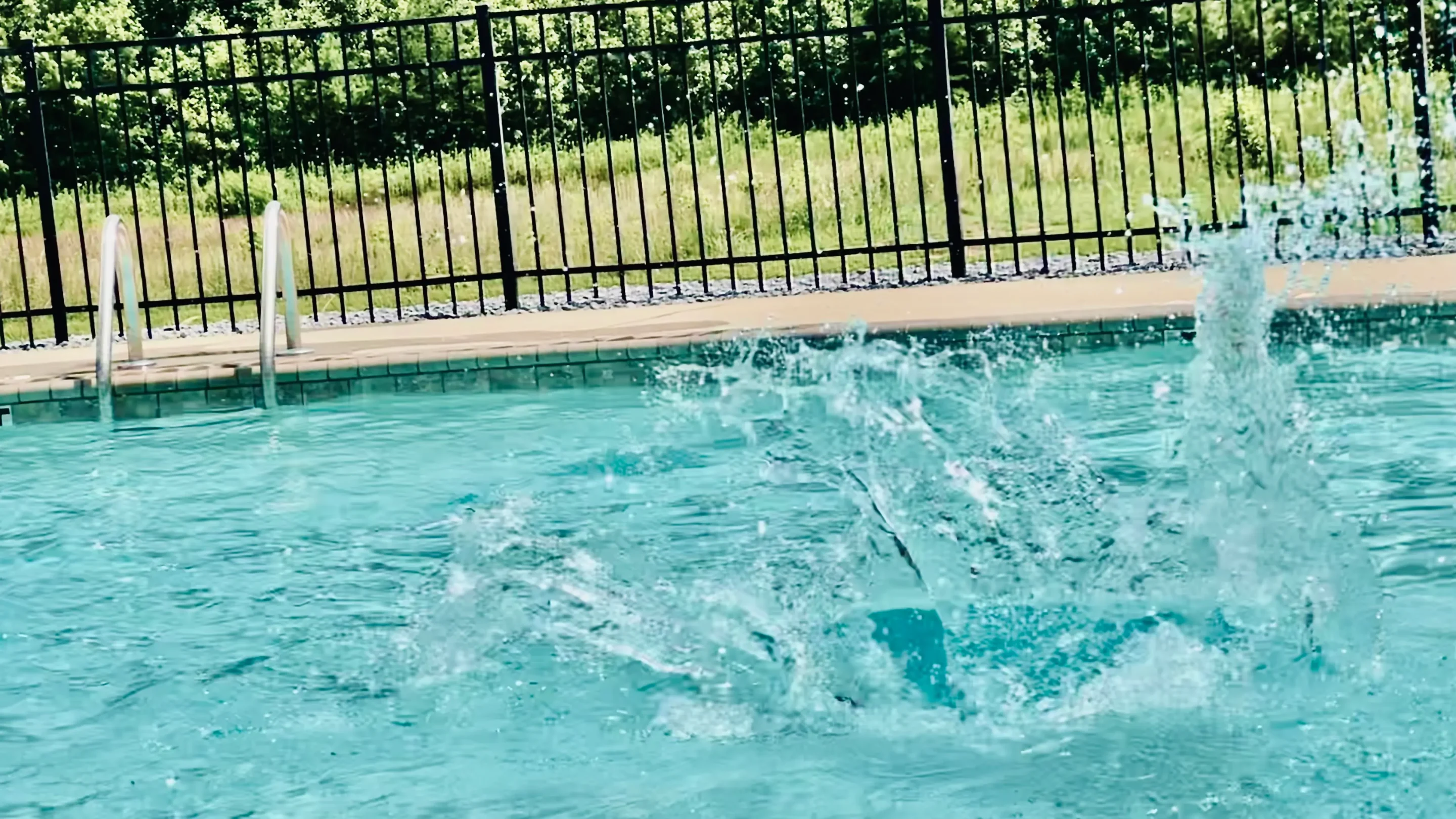
Pool fences are held to a higher standard than most other backyard fences because they are part of the safety system that protects children, pets, and guests. Installation quality has a direct impact on whether the fence passes inspection and continues to perform reliably year after year.
When the fence around a swimming pool is not installed correctly, problems can develop over time, including:
- Posts that shift or lean as a result of frost heave
- Gates that no longer close or latch properly
- Gaps or sections that fall out of compliance with Ontario pool bylaws
- Reduced safety for children and pets using the yard
Professional installation prevents these issues by setting posts to the correct depth, aligning sections precisely, and ensuring every component of the enclosure works together as a complete safety system.
If your existing pool fence is showing signs of leaning or wear, our fence repair and maintenance team can restore stability without a full replacement.
Why Homeowners Trust Peel Fence for Pool Enclosures ?
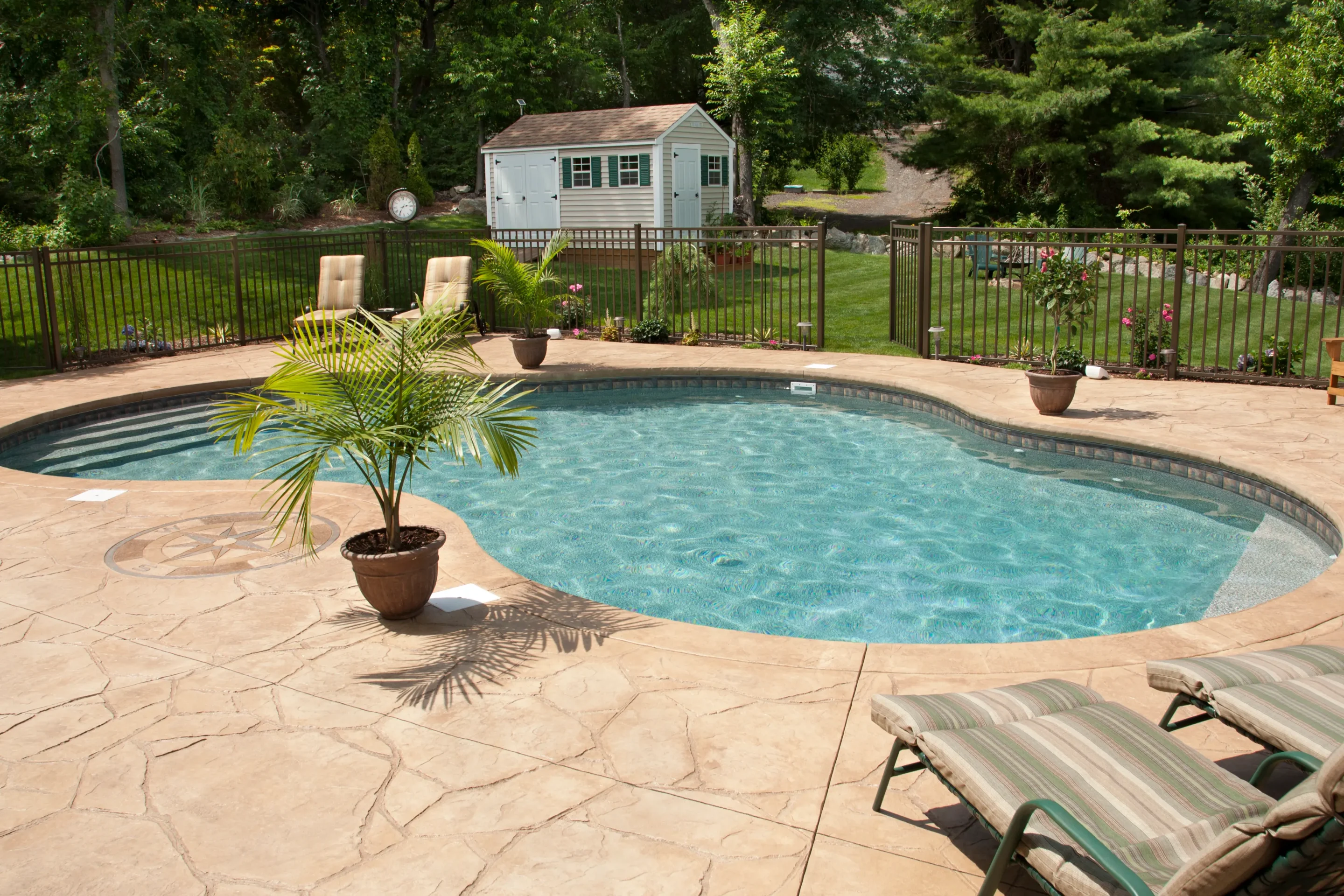
A pool safety fence demands more than a standard backyard installation. From bylaw compliance to long-term durability, homeowners need a fencing partner who understands both the technical requirements and the day-to-day realities of family life around a pool.
We focus on building pool enclosures that meet local safety standards while supporting years of worry-free use.
What sets Peel Fence apart:
- Over 50 years of experience installing fences across Ontario
- Hydraulic post installation that prevents shifting and leaning
- Closer post spacing for added strength around high-use pool areas
- Maintenance-free chain link and iron fencing built for Canadian conditions
- Coordination with pool builders to keep installations on schedule
- Familiarity with bylaw requirements across municipalities in York Region, Peel Region, and surrounding areas
The result is a pool fence that meets local safety standards, supports years of worry-free use, and complements the rest of the yard.
Protect Your Family With the Right Pool Fence

A pool safety fence is more than a backyard accessory. It is the boundary that keeps children, pets, and guests safe while giving homeowners the confidence to enjoy their pool throughout the season.
With the right combination of fencing materials, professional installation, and an understanding of Ontario pool bylaws, your pool area can meet every safety requirement while remaining a comfortable part of the yard.
Contact Peel Fence today to schedule a free pool fence quote and protect your family with an installation built to perform.
Pool Fence FAQs
1. How tall does a pool fence need to be in Ontario?
Most Ontario pool bylaws require a minimum pool fence height of 1.2 metres (4 feet), measured from the outside grade. Some municipalities require 1.22 metres, and Toronto recently moved to a 1.5 metre standard. Always confirm the exact height required by your local bylaw before installation.
2. Do I need a permit to install a pool fence in Ontario?
Yes. A pool enclosure permit is required in most Ontario municipalities before water is added to the pool. The fence around your swimming pool must be fully installed and inspected before the pool can be filled. Skipping the permit can result in a stop-work order and ongoing compliance issues when the property is sold.
3. What happens if I don’t have a fence around my pool in Ontario?
A pool without a compliant enclosure is a violation of Ontario pool bylaws. Homeowners can be required to drain the pool until the fence is installed and inspected. There are also serious safety and liability concerns, since most municipal bylaws exist specifically to prevent drownings and unsupervised pool access.
4. What is the best material for a pool fence?
Chain link and iron are the most common materials for pool enclosures because both provide clear sightlines into the pool area and meet the anti-climb requirements set by most Ontario pool bylaws. Black vinyl-coated chain link is a popular maintenance-free option, while iron offers a more refined appearance for high-visibility pool areas.
5. Do pool fence gates have to be self-closing and self-latching?
Yes. Ontario pool bylaws require every gate in a pool enclosure to be both self-closing and self-latching. The latch is typically installed on the pool side of the gate, mounted high enough that a small child cannot reach it from outside the enclosure.
6. Do I need a fence around an above-ground pool?
Yes, in most cases. If the water in your above-ground pool exceeds 0.6 metres at any point, a fence around the swimming pool is required by most Ontario municipalities. Some bylaws allow the pool wall to count toward the enclosure when it meets the required height and the access ladder is removable or lockable.
7. Does a hot tub need a fence around it?
In most cases, yes. Hot tubs deeper than 0.6 metres typically require a pool safety fence or a locking hard cover that meets local bylaw requirements. Always confirm the rules with your municipality before installation.